|
|
|
Mines Menu:
Mines Reports:
Mines Map:
Use the links at the left to return.
|
|
Harshaw Camp |
|
|
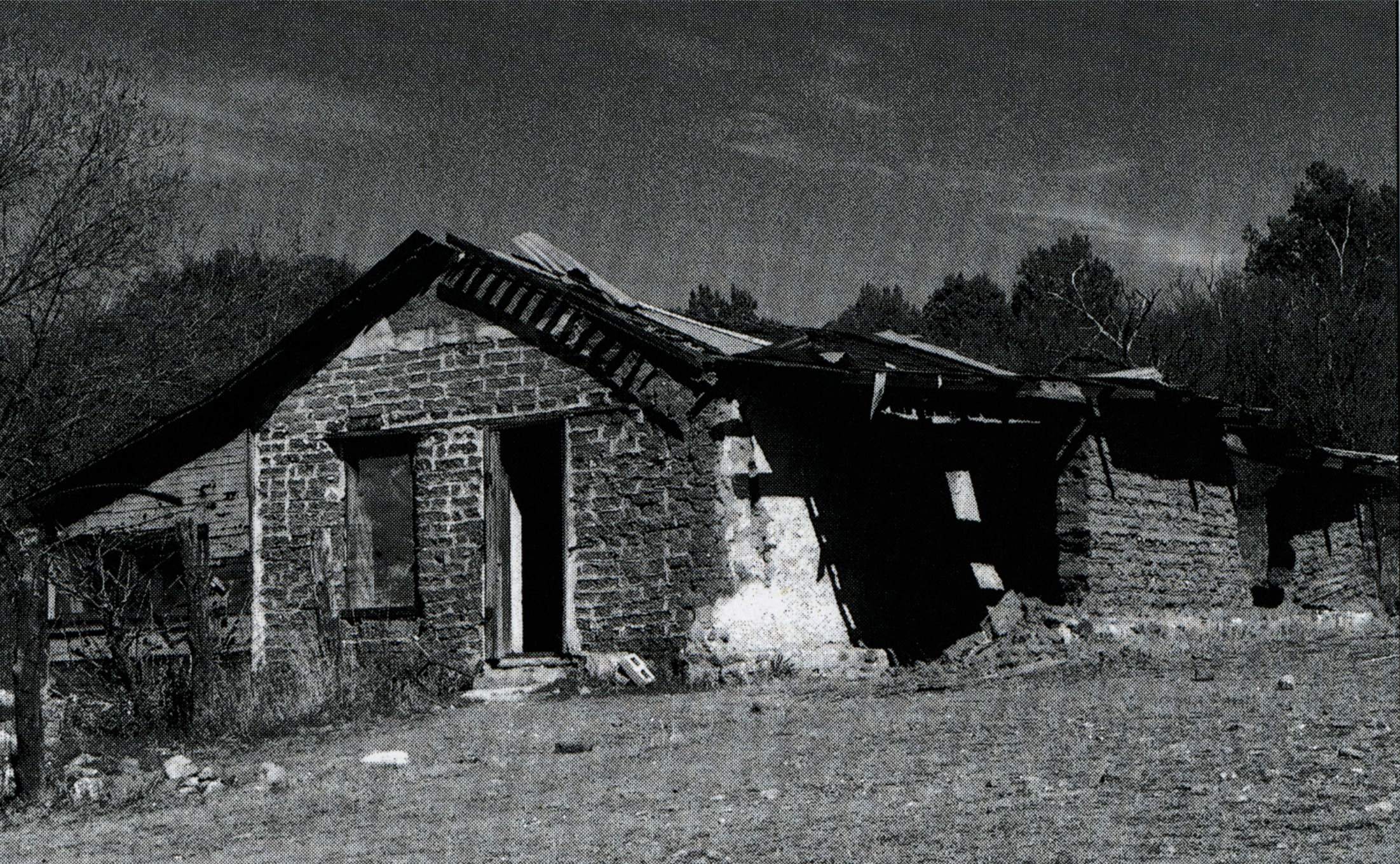
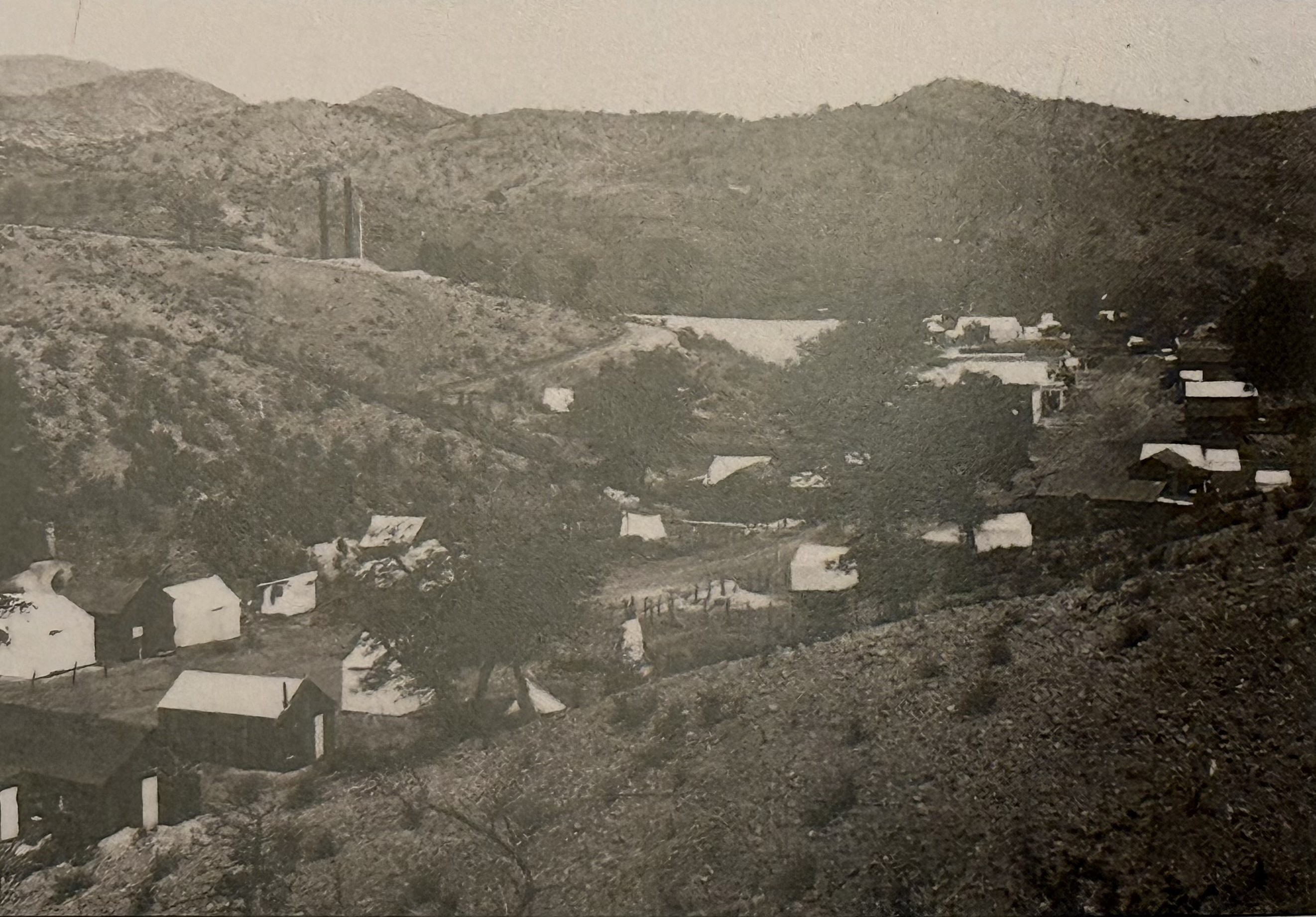
Harshaw, in the south-central part of the district, was also once a prosperous village and camp and has mostly stone buildings, but in 1909 only a few families were living there.2 For all the hype, Harshaw’s life as a mining boomtown was brief. Supported by the nearby Hermosa mine, this community in the Patagonia Mountains, near the US - Mexico border, grew to an estimated 2,000 residents in the early 1880s. When the silver mine was a major producer, Harshaw reportadely had several saloons and breweries, two or three hotels and numerous shops, along with its own newspaper, the Arizona Bullion. Here, American settlers mingled with immigrants from Mexico and China in what later was described as “a seething pot of miners, cowboys, card sharks, homesteaders, gunmen and bandits.” A stamp mill, heralded as the largest in Arizona Territory, opened in 1880 with a price tag of $130,000 - the equivalent of more than $3 million today. By November, it was said to be turning out $2,500 in silver bars daily. Harshaw, according to one newspaper account, was on its way to “considerable future importance as a mining and commercial center.” By the middle of the decade, though, the town was a shadow of its former self, with a violent storm, a fire and a drop in ore quality among the factors blamed for the decline. An 1886 newspaper article described a place of ‘peaceful quietude’ where a few determined miners continued to work the rich silver vein. Harshaw saw a minor rebirth the following year, when James Finley purchased the Hermosa claim, but a decrease in the market price of silver in the early 1900s again doomed the town. Nearby mines brought some life back to Harshaw in the 1930s and ’40s, but by the 1960s, the town was surrounded by Coronado National Forest land and forest officials were trying to determine how to evict the roughly 70 residents who remained. At that time, as the Daily Arizona Star put it, Harshaw was a “ghost town that refuses to die,” These days, two remnants of Harshaw are on public land. The first is the cemetery, built into a rocky hillside west of Forest Road 49. Here, many of Harshaw’s early settlers are buried, and some of the grave markersdate to the boom years of the 1880s. On the other side of FR 49 is the other remnant, a decaying adobe residence whose tin roof was removed years ago. Go four hundred yards east of the adobe structure, on private property, is Harshaw’s best relic. Finley's house, which was added to the National Register of Historic Places in 1974. It features 18-inch-thick brick walls and a wooden porch with a gracefully curved tin roof. The landowners allow vistitors to see the house, provided that they stay on the road, respect all “Private Property” signs and do not venture closer to the house or any further down the road. It’s an unexpected highlight of a town that otherwise has all but faded into oblivion.9
Rancher David Tecumseh Harshaw should have thanked Tom Jeffords for making him a rich man. When Harshaw was grazing cattle on Apache land in 1877, Indian Agent Jeffords ordered him to remove them. Harshaw relocated his herd to this area and discovered a tremendously rich silver vein, which he named the Hermosa. Within two years Harshaw, who named the mining town that rose near the mine after himself, had sold his holdings to a New Yorn concern and moved on. ... Harshaw had two minor rebirths. One began in 1887 when Tucsonan James Finley purchased the Hermosa claim for $600. This time the mining lasted longer but on a much smaller scale, and only about 100 residents lived in the town. In 1903 Finley died, the market price of silver dropped significantly, and by 1909 the town was a ghost once again. The community of Harshaw last saw limited life from 1937 to 1956 as the Arizona Smelting and Refining Company (ASARCO) worked the nearby Flux and Trench mines.12 In 2025 the Santa Cruz county GIS system shows 2 tracts in the Harshaw vicinity as owned by South32.
References
|